



Today on Arguably, as Labour ponders its future, Ben Judah and David Lawrence join forces to explore the real lessons of Manchester’s success. This piece is paid but you can read it now by becoming a full subscriber or signing up for a seven-day free trial.
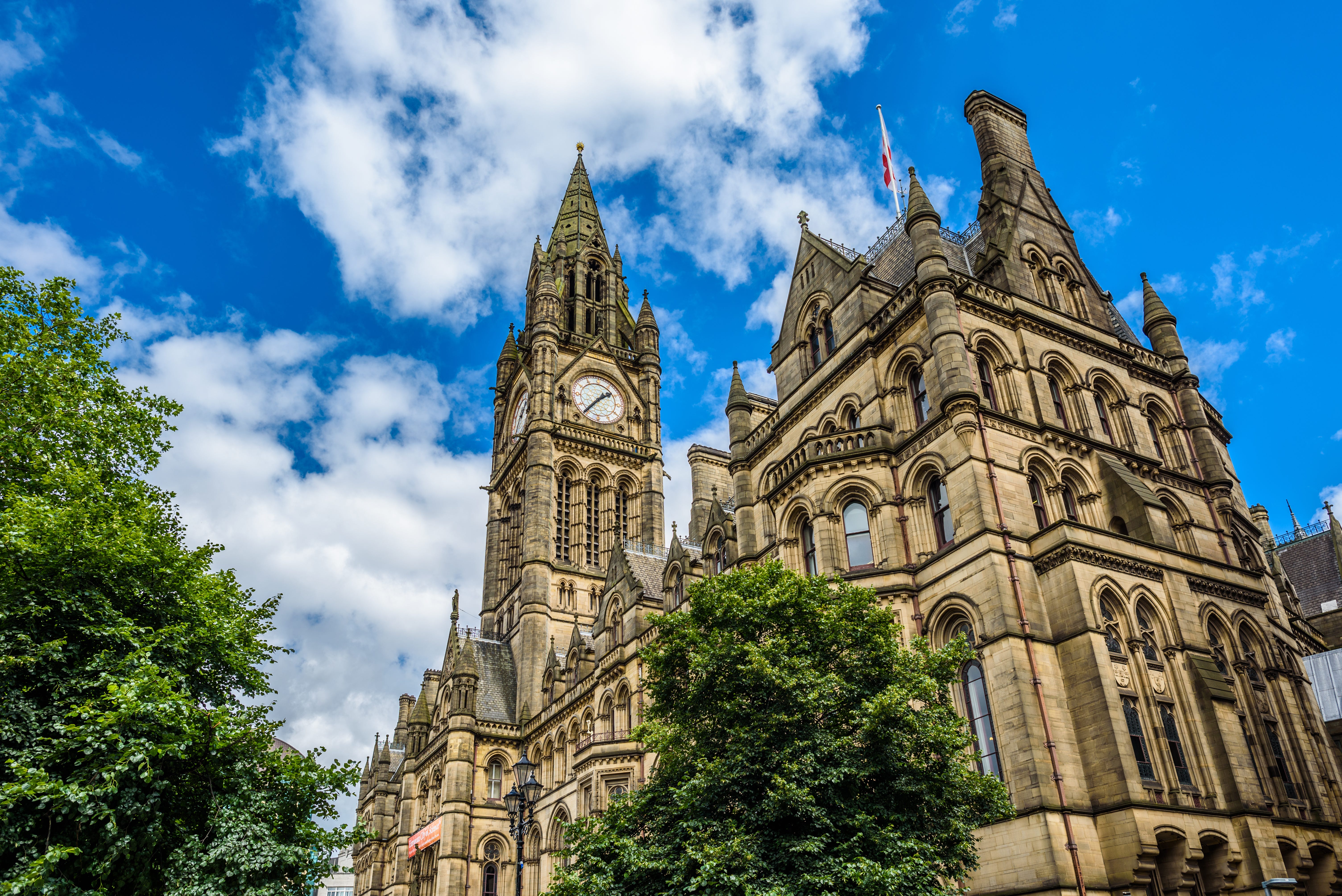
Manchester Town Hall (Marbury/Shutterstock)
In the coming weeks you will read a lot about what “Manchesterism” is or isn’t. The term is as attractive as it is protean. In a Labour Party desperate for a rallying philosophy, Manchesterism evokes solidity, grounded in the concreteness of a city, while remaining open to interpretation. But what is truly behind it?
Everyone agrees that Manchester is a rare modern British success story. Since 2015, the city’s GDP growth has averaged 3.1 per cent each year, double the UK average, and outpacing the US over the same period. Between 2011-2023, real incomes in Manchester increased by over 50 per cent – higher than any other major British city. Life expectancy, falling elsewhere, rose in Manchester, a city with control of its own health budget.
But people disagree about the causes of Manchester’s success. For some, Manchester’s story has long been inextricable from capitalism: Manchester Liberalism, an eponymous philosophical movement, opposed the Corn Laws and advocated free trade. More recently, Manchester has actively courted Gulf investors and leased public land to private developers. For others, Manchester’s secret lies in the municipalisation of core services. Yimbys claim Manchester’s success lies in its willingness to build. Most analyses link Manchester’s recent success, at least in part, to devolution.
There is truth in all of these stories. Manchester’s economic and political history embodies contradictions that do not lend themselves to a single overarching political philosophy. If there is one unifying theme, it is dynamism: Manchester has repeatedly adjusted and reinvented itself and made the most of its autonomy.