


Today’s column is from Martha Dacombe who will be writing weekly for Arguably on subjects including AI, tech and state reform. To read it, become a paid subscriber for just £6 a month including a seven-day free trial.
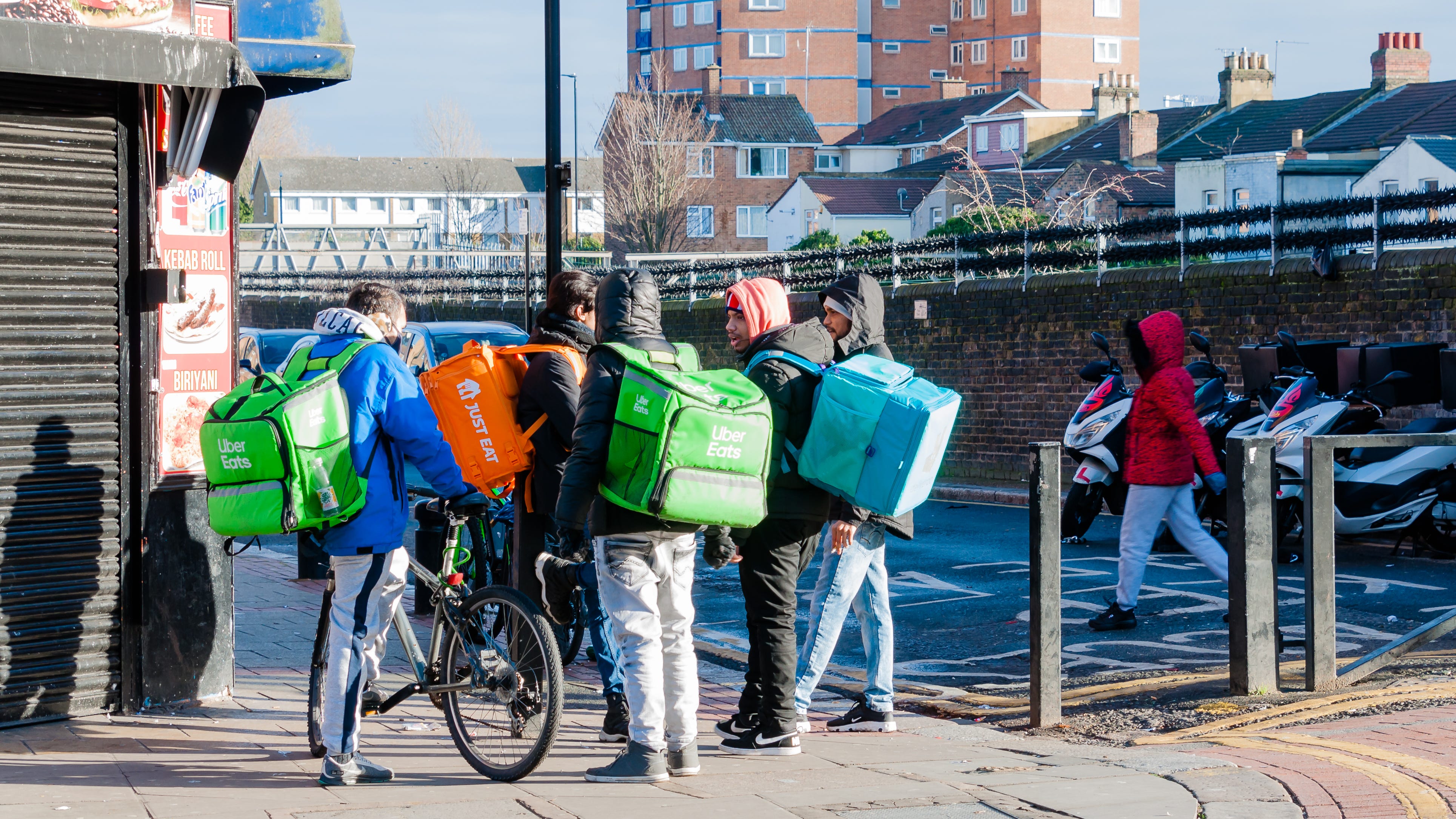
Image: Abdul_Shakoor/Shutterstock.com
On the streets of London, you might see a new sight this month: Waymos or autonomous vehicles, mapping every road and junction through roof-mounted sensors ahead of their planned commercial launch by Alphabet in September. Automated ride-hailing services, including those from the rival Wayve-Uber partnership, are due to follow. The vehicles are learning the city so that, before long, no human assistance will be required. What has not yet been answered, or even seriously asked, is what will happen to the people they could replace.
This is a moment of change. Britons are beginning to experience the first green shoots of the AI revolution, not only on their screens but in the physical world around them. Driverless cars will be followed by delivery robots for hot meals and groceries as companies such as Starship scale up. Progressives should not seek to halt these technologies. But the state is unprepared for the prospect that thousands of gig economy workers – already living precarious, insecure existences – could find themselves displaced and homeless.