


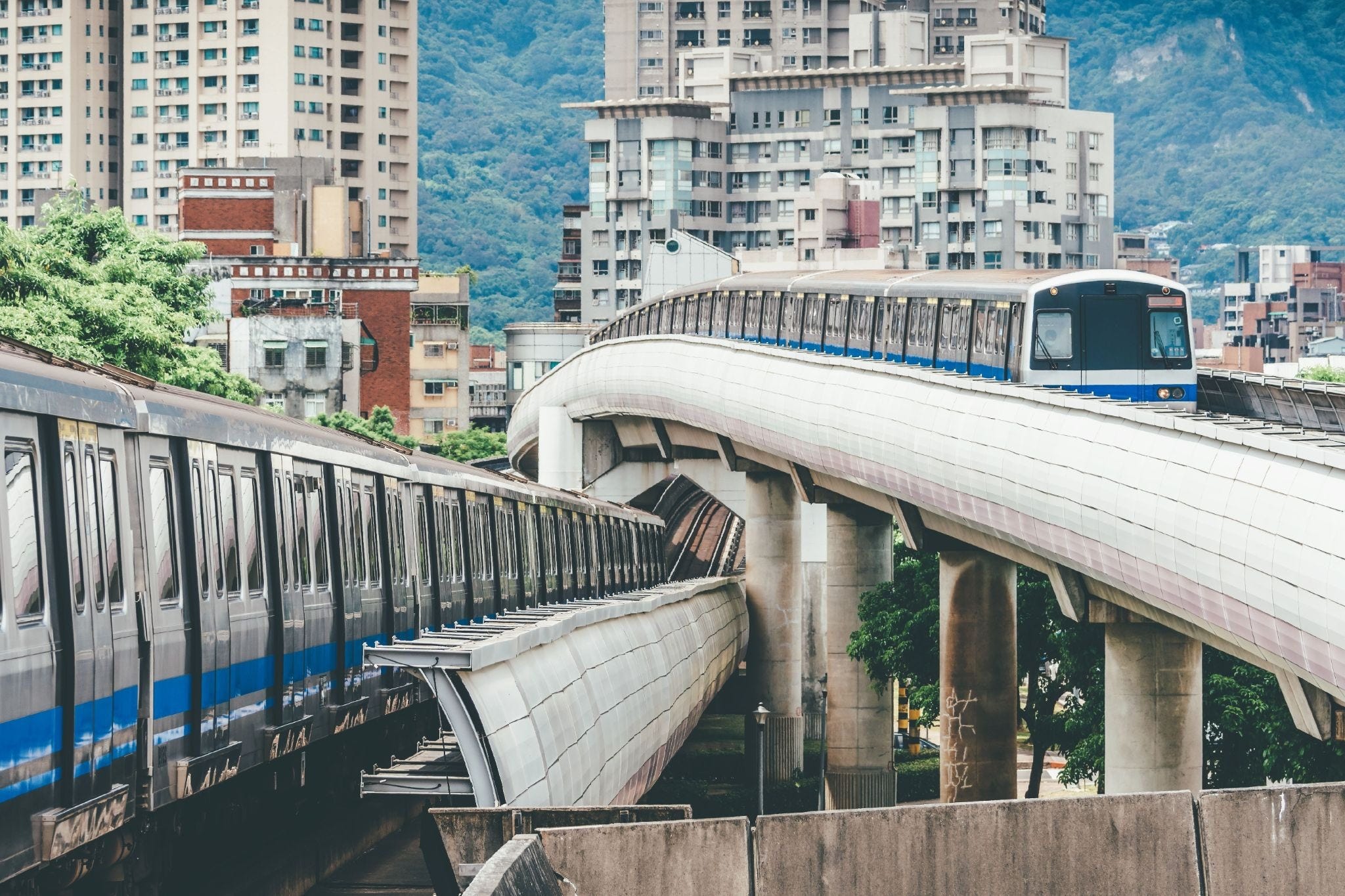
Earlier this year I found myself on an air-conditioned, nearly silent train, eating onigiri while watching mountains, rainforest and factories pass by at 300km/hr, and wondering where Britain went wrong.
I was travelling from Taipei, Taiwan’s northern capital, south to Taichung, a journey which takes you past factories that made the chips in your phone and the screen you’re reading this on. Just decades ago, these factories were rice fields.
Taiwan’s rapid industrialisation would be comparable to China’s if it hadn’t ended in such a different place: today Taiwan is richer, freer and the most democratic country in Asia.
There is one, elephantine reason to not want to be Taiwan. The de facto independent island of 23 million people faces a daily threat of violent conflict between superpowers.
But on almost every other metric, Taiwan is roaring. Last month, its annual growth forecast hit 11.05%, a rate unheard of for developed countries. For context, the UK hasn’t grown above 4% in a normal (non-rebound) year since the early 1970s. Unemployment is low at 3.3%, and the country is more equal than its neighbours, and indeed the UK.