


For the next 24 hours, we’re offering 50% off your first year with Arguably. Join us from just £2.50 a month and get full access to all our essays and columns, plus an invite to our next paid subscriber drinks.
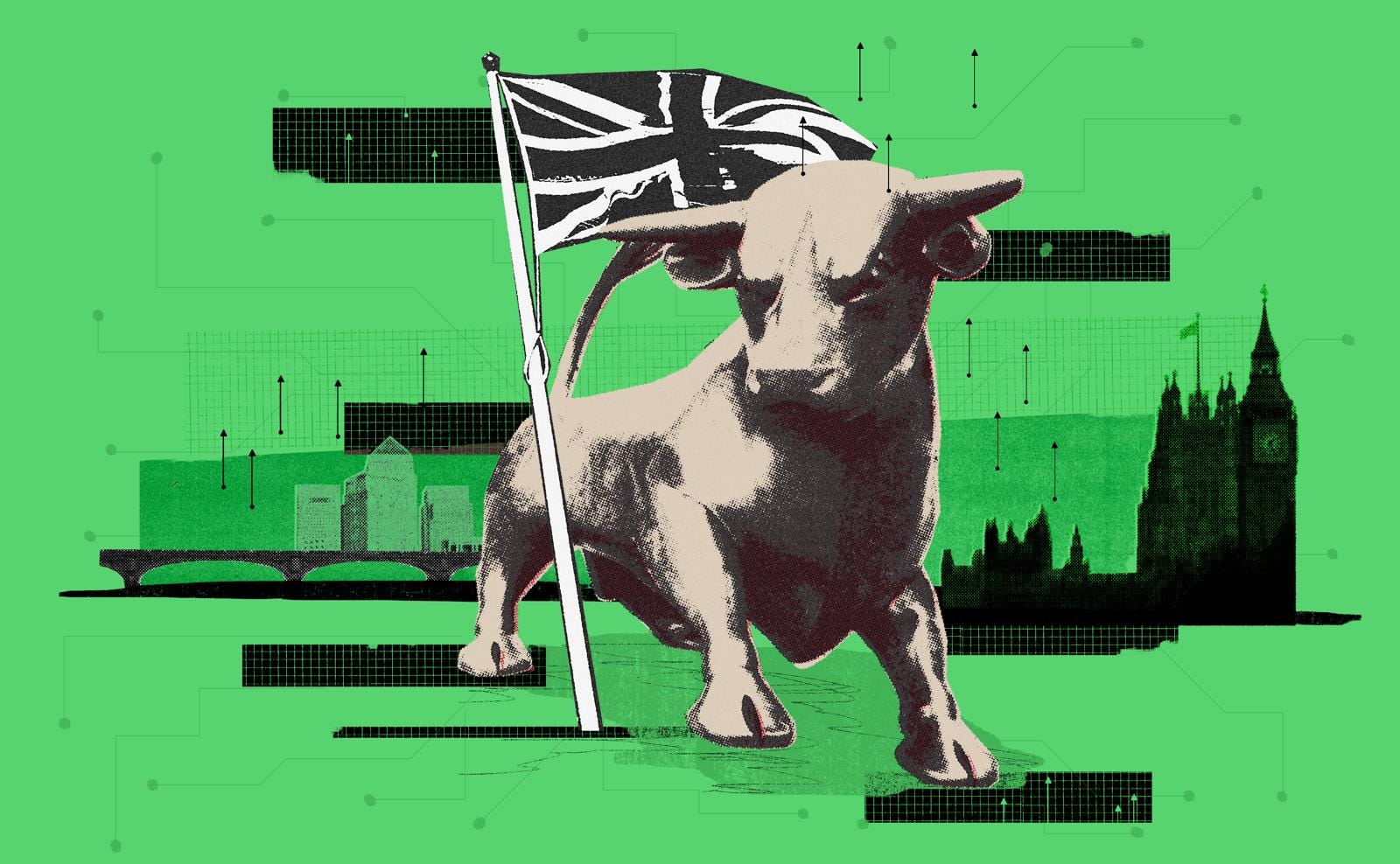
If you are Rachel Reeves, you might be feeling vindicated. The British economy grew by 0.7% in the third quarter of this year, the fastest rate for more than two years, and second only to the US in the G7. Output is nearly 2% higher than in 2025, close to the pre-financial crisis trend rate of growth, which has eluded Britain for nearly two decades.
For comparison, Germany grew by 0.2% over the same period, Italy did not grow at all and France’s economy actually shrank by 0.1%. The ONS credits the services sector, particularly AI investment and professional services, with driving the UK’s growth.
This week, the ONS released revisions to historical data showing that the famed productivity growth gap between Britain and European peers is basically wrong. In fact, UK productivity grew faster than European peers, and has grown faster still after Brexit.
Do these figures mark a turning point for Britain? The answer is probably no, on the current trajectory. Rising energy costs will force the Bank of England to keep interest rates high, dampening consumer spending and investment, and increasing the cost of government debt.
Other indicators are weak: construction activity has collapsed as the high policy costs of building, combined with lower housing demand, have hit the sector. Consumer confidence, hospitality and retail activity have all suffered. It is unclear whether AI will help services-based economies, such as Britain, by creating new products and services, or whether it will render such services obsolete.
Like many advanced economies, we face an ageing population, high energy costs, rising government debt, and a reluctance to build more housing and infrastructure in productive cities. Until we address some of these challenges, long-run growth will continue to be sluggish.
But it is possible to construct a bull case for Britain – and in this piece I’ll set out the reasons for optimism.