


(Spatuletail/Shutterstock)
Big majorities should liberate governments to do difficult things. The nationalisations of the Attlee era and the privatisations of the Thatcher years were aided by parliamentary supremacy. A prime minister whose party dominates has less to fear from recalcitrant MPs, voters and interest groups.
The Starmer government didn’t entirely disappoint on this front – allowing housebuilding on the green belt, for instance – but all too often it endured political pain for little policy gain. The government could have led a new debate on intergenerational justice; instead politically toxic winter fuel payment cuts made it impossible to do so.
Andy Burnham has an opportunity to do far better. He has already signalled that “difficult decisions” will be required on social care funding, foreshadowing Louise Casey’s accelerated review next summer. His early cost-of-living interventions, such as removing VAT from electricity bills and capping bus fares at £2, have earned him goodwill – now’s the time to use it.
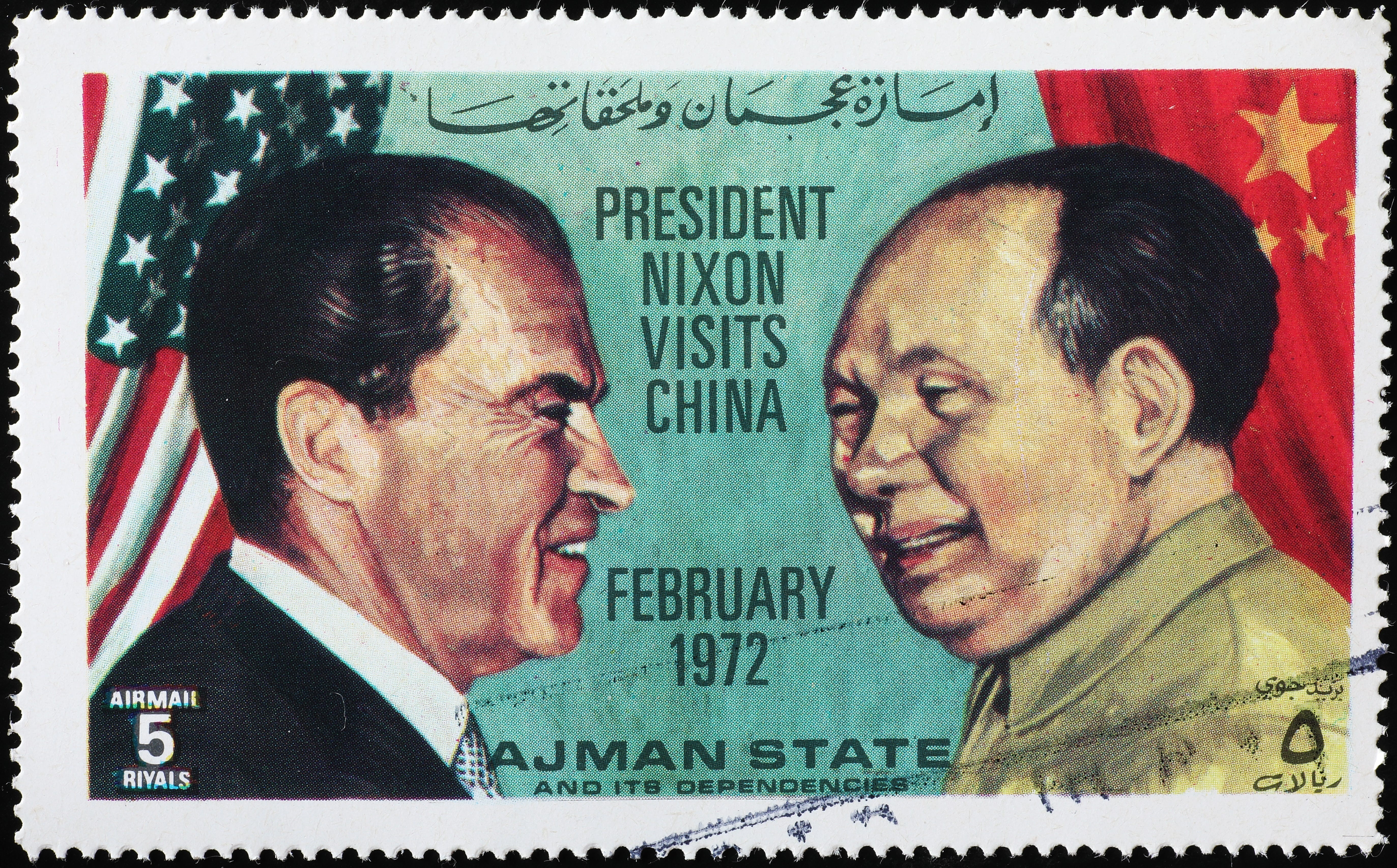
In policy terms, as a more popular and trusted figure than Starmer, he has the chance to be Nixon in China. In other words, to embrace the kind of counter-intuitive decision that leaders pursue at their bravest: think Ted Heath taking the UK into the European Economy Community, Margaret Thatcher signing the Single European Act, Tony Blair introducing university tuition fees and David Cameron delivering equal marriage. Below I explore four areas where Burnham could abandon the fatal progressive fixation with means in favour of an approach focused on ends.
Approve new North Sea licences to ease the energy transition
The UK is enduring what is likely its hottest summer on record, a trend that no one serious now denies is driven by climate change. At this juncture, approving new North Sea oil and gas licences risks appearing eccentric at best and reckless at worst (it doesn’t help that Donald Trump is one of the biggest advocates).