


Today on Arguably, David explores one of the political questions of the week: what’s the best way to tax wealth? This post is paid but you can read it now by becoming a full subscriber for just £6 a month or signing up for a seven-day free trial.
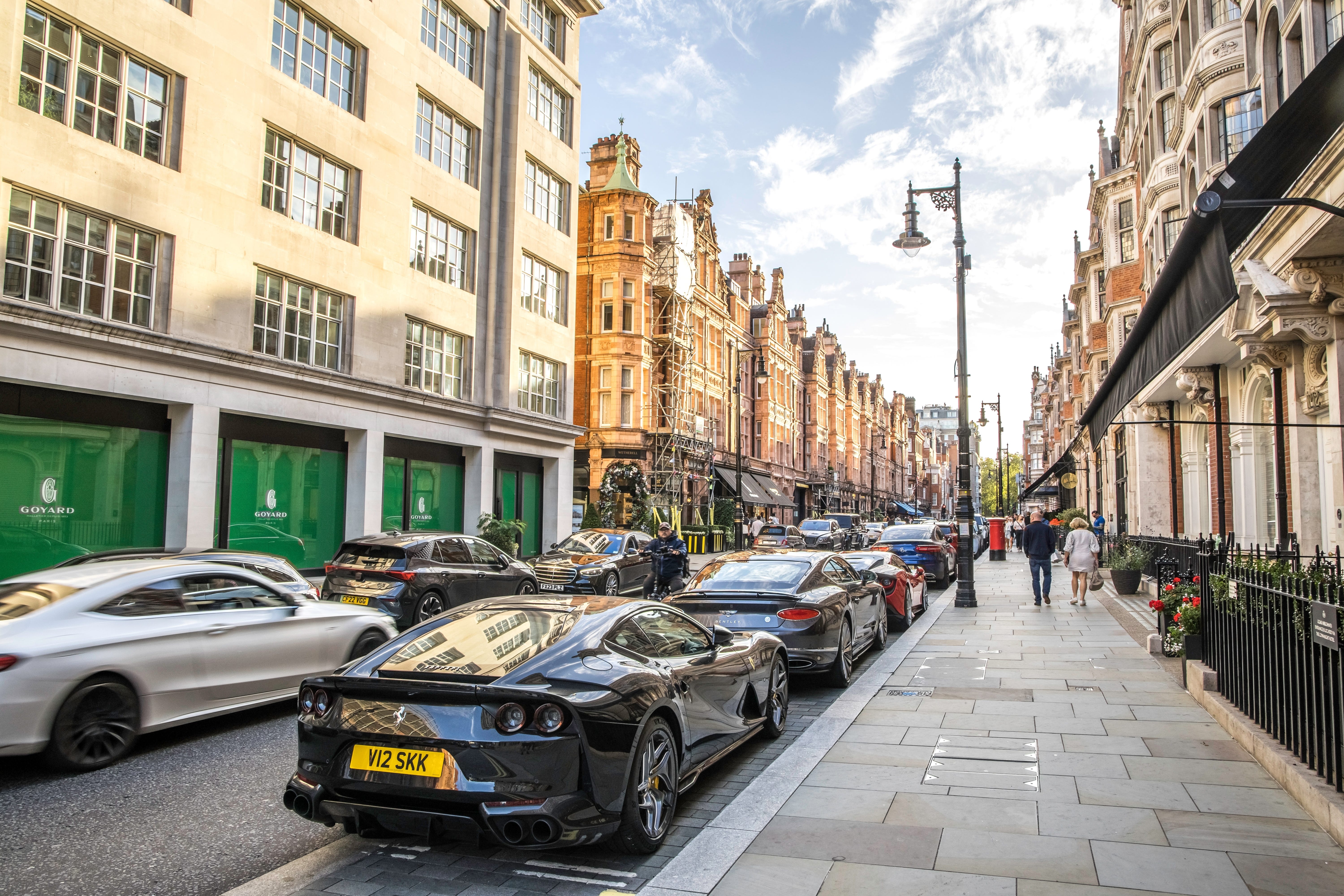
Mayfair, London (Mareks Perkons/Shutterstock)
One reason why Britain’s growth has been so anaemic over the last decade is that our tax system rewards those who earn money by doing nothing, and punishes those who work. This is unfair and inefficient. You can earn millions in property wealth and pay no tax. Meanwhile, workers can face marginal rates of over 60 per cent, or even over 70 per cent for younger people with student loans. For those with young children, it can be cheaper to turn down promotions, or not work at all.
These reasons, combined with Britain’s constrained public finances and struggling public services, are why so many people are looking to wealth taxes as a policy solution. Groups as diverse as the IMF, Labour’s Tribune, the Green Party, the Institute for Fiscal Studies, and now Wes Streeting, have (in different ways) called for earnings from wealth to be taxed more like income.
But do wealth taxes work? The answer depends entirely on the precise mechanism. Some wealth taxes are positive for growth and increase productive investment. Others do the precise opposite.