


Today on Arguably, as Andy Burnham becomes Labour leader, we have an extended interview with Mathew Lawrence, the director of Common Wealth and the co-author of The Productive State: A Framework for Manchesterism, whose work has been a key influence on the new administration.
We discuss subjects including different models of public ownership, wealth taxes, fiscal rules and Burnham’s choice of chancellor. Become a paid subscriber or sign up for a seven-day free trial to read it.
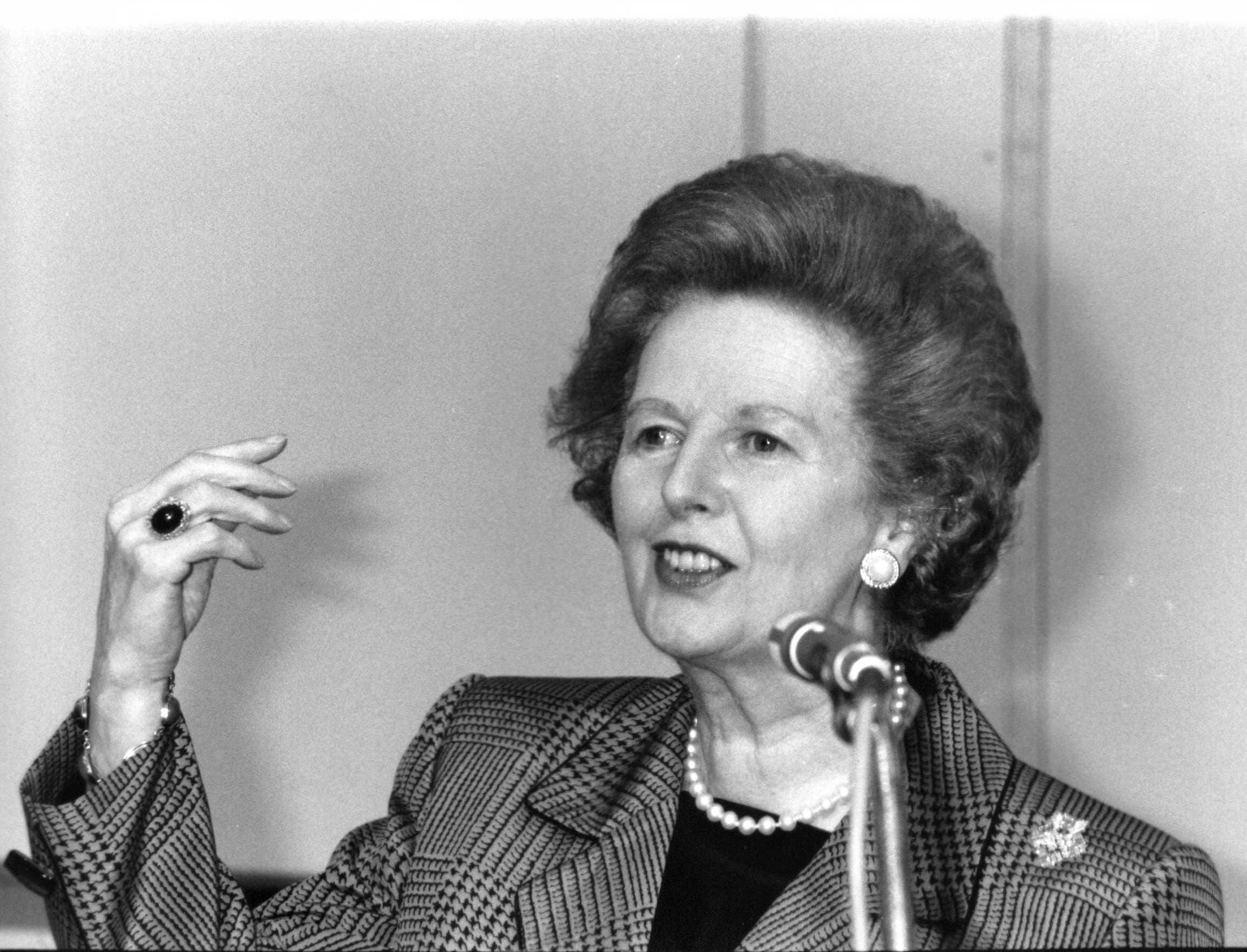
(David Fowler/Shutterstock)
George Eaton: You founded Common Wealth back in 2019 to champion public ownership of the essentials: energy, housing, transport, water. That’s obviously an agenda that’s been embraced by Andy Burnham. What were your inspirations back then and why do you think these ideas have become politically salient?
Mathew Lawrence: The core arguments for public ownership and public provision, not as nostalgia or totems, but as tools for the delivery of productive investment and for reclaiming economic sovereignty, have multiple tributaries across the progressive left. This is a rich tradition from Keynes to Marx to Mazzucato.
Partly it reflects a recognition that we’re still living with a crisis of British capitalism and the state, a sense that the economy is not working and that too many people are locked out of prosperity, but also that the state is this strange yet explicable combination of overburdensome and weak.
The same crises that inspired the creation of Common Wealth exist now as deeply as they ever did: the relentless squeeze on living standards and an economic model which has seen some important reforms under Labour but remains weaker, poorer and less equal than comparable countries. And if you zoom out further, we face the structural challenges of the climate-nature emergency, the energy transition, deep geopolitical conflict and enormous trade pressures with the emergence of China.
But in a fundamental sense, people feel like those essential services simply aren’t working. They are paying too much for too little and the productive potential of the economy is constrained by an architecture of ownership that is not working in the interests of ordinary communities, ordinary people, or the British economy as a whole.
George: And what were the origins of your engagement with Burnham and the Manchester project?
Mathew: So Burnham, during his mayoralty, articulated some of these arguments. If you look at the integration of NHS and social care and the Bee Network, which replaced a fragmented, outsourced, costly and inefficient private [transport] system with a publicly-controlled system in which fares have fallen, ridership has increased and access has grown, you can see in miniature some of the examples.
Burnham has recognised the fact we’ve lost control of the fundamentals and that this has not only led to higher costs and worse services in many instances, but also upwards pressure on public spending as the state has been forced to intervene through higher levels of redistribution. There’s a growing recognition across the political spectrum that we need a supply-side agenda that tackles market dysfunction, but that also brings the state to bear in coordinating and scaling investment and in the provision of essential services.
George: Do you see Burnham’s project as essentially a decade-long mission to reverse Thatcherism?
Mathew: To answer that you need to have a sense of the two legacies of Thatcherism. The first is the privatisation of economic power and the second, and this is less noticed but of growing importance, is the centralisation of political power. In other words, the extent to which the fiscal independence and economic power of local government was stripped away by Whitehall. That is a key reason why Lyon is doing better than Leeds, why Munich is richer than Manchester and so on. Whether it’s North America, Europe or East Asia, our cities and towns have less ability to determine their own economic development than elsewhere and that is a direct consequence of Thatcherism.
And so, if you map that onto the Burnham project, there are three core planks.