


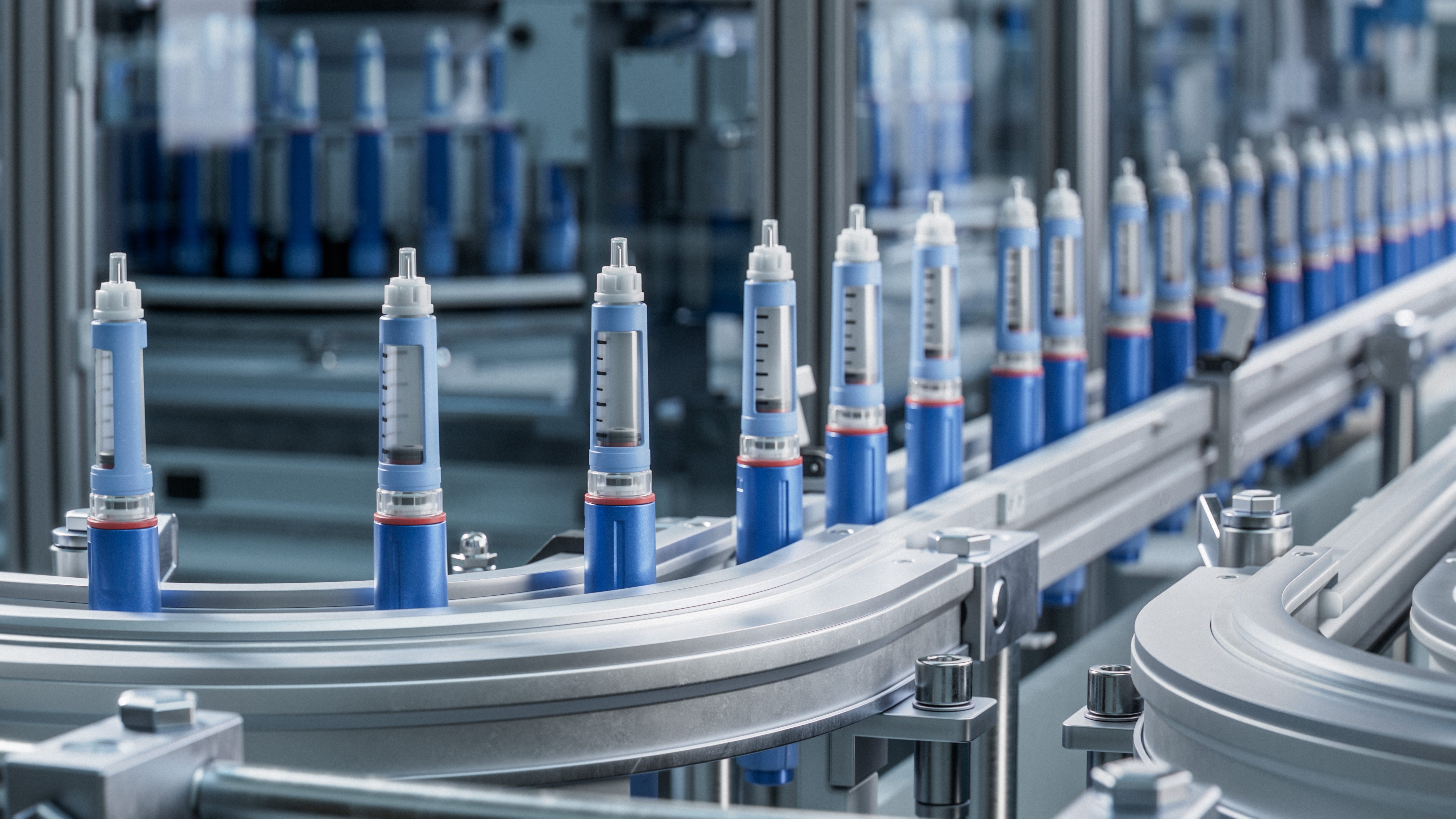
(IM Imagery/Shutterstock)
Across the West, a quiet medical revolution is unfolding. Weight-loss drugs such as Mounjaro and Wegovy produce results previously achievable only through bariatric surgery. In the US, obesity rates have fallen for the first time in a decade. After years of endless diets, unused gym memberships and social embarrassment, millions of people finally enjoy an effective treatment.
This is far from pure vanity. GLP-1s have been shown to reduce the risk of heart attacks and strokes by 20% among people with cardiovascular disease, while cutting the risk of developing or dying from breast cancer by 30%. Increasingly, they look less like lifestyle drugs than one of the most important public health innovations in a generation.
The social and economic benefits are also profound. A UK study of 1,270 patients who received the jabs for nine months, presented at this year’s European Congress on Obesity, found a 45% fall in total sick days and a 56% drop in long-term absence. Meanwhile, Rebecca Diamond, an economist at Harvard University, has charted how the probability of single women marrying or cohabiting rose by 29% after 18 months, while employment among non-employed women increased by 27%.
But although 2.4 million Britons now access these drugs, they do so overwhelmingly through private providers. At present the NHS only offers them to patients with severe obesity (a BMI of 40+) and at least one co-morbidity such as type-2 diabetes or heart disease. This is a deliberately high threshold, intended to contain costs by rationing supply. As a consequence, access is expanding at a glacial pace. Just 220,000 patients will receive the drugs within the first three years and 3.4 million within 12 years – a dismal rate when 21 million adults are forecast to be obese by 2040.
Without a course correction, we will all pay for this sluggishness. The cost of obesity to the UK is already estimated at £126bn, including the cost of NHS care (£12.6bn), the years people spend in poor health because of their weight (£71.4bn) and the damage to the economy (£31bn).
For those who care about the principle of a health service based on need rather than ability to pay, the current two-tier approach should be intolerable. Obesity and poverty are intimately related – children in the most deprived areas in England are twice as likely to be obese and rates of severe obesity are four times as high. Yet while those with £200 a month to spare now enjoy life-changing treatments, the poorest are being left behind.
So why the absence of political will? Wes Streeting, during his time as health secretary, was a champion of the jabs but there have been few other voices pushing for an accelerated rollout. After the UK’s world-leading Covid-19 vaccine programme, there was much talk of the benefits of the active state, mission-led government and upfront investment, but such lessons are now being neglected when they matter most. Our response to the obesity epidemic, as with the social care crisis, has become yet another false economy.
Such conservatism is, of course, partly societal. We remain committed to a deep pathologisation of obesity, which is too often treated not as a complex health issue but as a moral failing. It is the last domain where the means are held to matter as much as the end – losing two stone through misery is admirable but losing it through a Tuesday-evening injection is suspect.
A serious national rollout, backed by dedicated public funding and clear political leadership, would boost health and economic productivity, reduce inequality and deliver long-term savings. Persisting with the current approach will only confirm one of our strangest moral assumptions: that thinness is something people should have to earn through suffering. And we will continue the slide towards a health system that works for those who can afford to pay and not for those who need it most.