


Today on Arguably, the former Justice Secretary, David Gauke, who led the 2025 Sentencing Review, reveals how prisons could run out of space by November if the reforms he devised are abandoned.
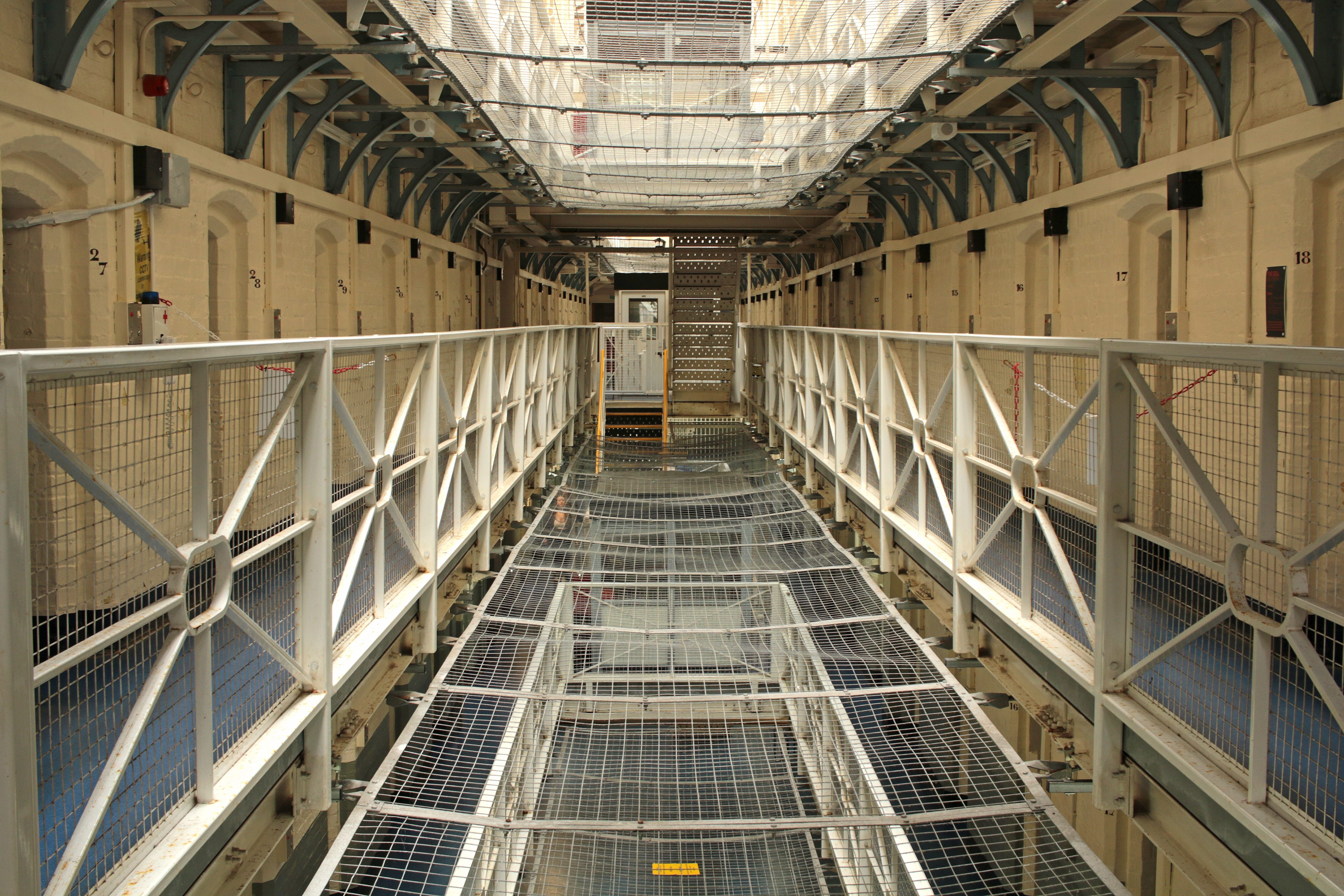
(Carol Tyers/Shutterstock)
No one should underestimate how politically difficult prisons and sentencing policy can be. Any politician who is perceived as being soft on the punishment of serious offenders is in deep trouble.
It is perhaps no surprise, then, that Andy Burnham has paused the early release scheme due to commence in September. This was an issue with which he was not previously involved, and it is understandable that he does not want to expend political capital on a policy unless it is essential. It will not have escaped his notice that the early releases were due to commence on 2 September, the date of his first appearance at Prime Minister’s Questions.
The reality, however, is that there are no easy options on this matter and he has set expectations at a level that he will struggle to meet. Burnham may come to regret announcing the pause before reaching any conclusions.
The simple fact is that when it comes to sentencing policy and prison places, we have long been living beyond our means, and the provisions of the Sentencing Act – including those that are causing controversy – are necessary to correct the situation.
A political bidding war
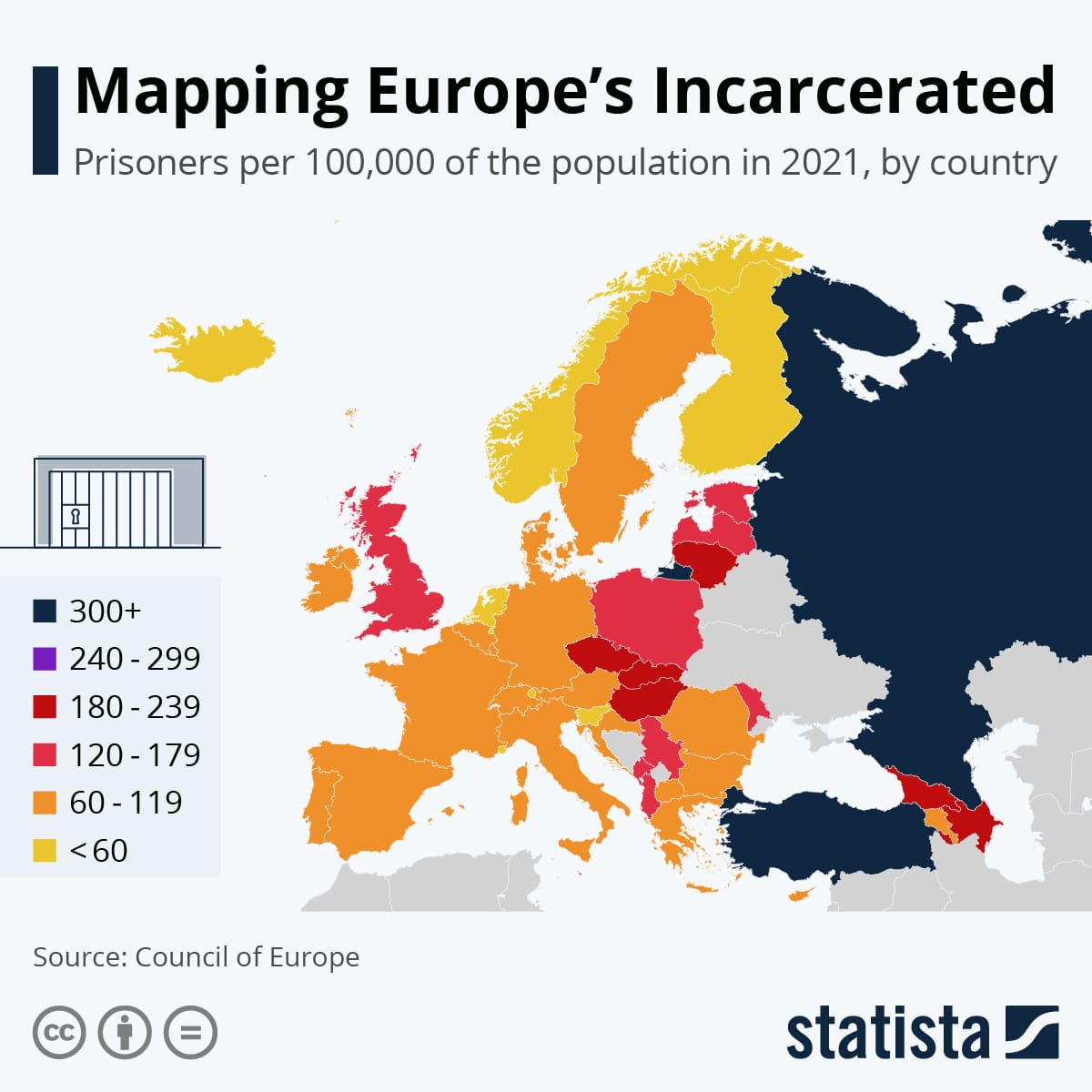
It is worth setting out the historical context. Since 1993, sentencing policy has been characterised by a bidding war as both Labour and the Conservatives have sought to compete to imprison more people for longer. Maximum sentences have been lengthened, minimum sentences introduced, and new offences created. As a consequence – in a period of falling crime – the prison population of England and Wales doubled over a period of 15 years and we were left with the highest incarceration rate in Western Europe. Plenty of new prison places were created, but the system barely coped and an emergency release scheme was in operation from 2007 to 2010.
Rather to everyone’s surprise, the prison population stabilised in the 2010s, and at least some of us who held the post of Justice Secretary resisted the temptation to add to the prison numbers. But this was not to last. In 2020, Boris Johnson’s government extended the release date for some serious offenders from the halfway point of the overall sentence to two-thirds. Johnson returned to the issue in 2022, and he had great fun accusing Labour of not supporting measures that kept serious offenders behind bars for longer (Labour voted against the relevant Act, but not specifically on extending the point of automatic release). Naturally, this expanded the prison population, but without a commensurate increase in capacity.
For the last year or two of the Tory government, ministers lived in fear that prison capacity was about to be reached. Expensive, short-term capacity was found; dilapidated wings were kept in operation rather than repaired; the entire system was run dangerously hot (with capacity at over 99% from 2023 onwards).
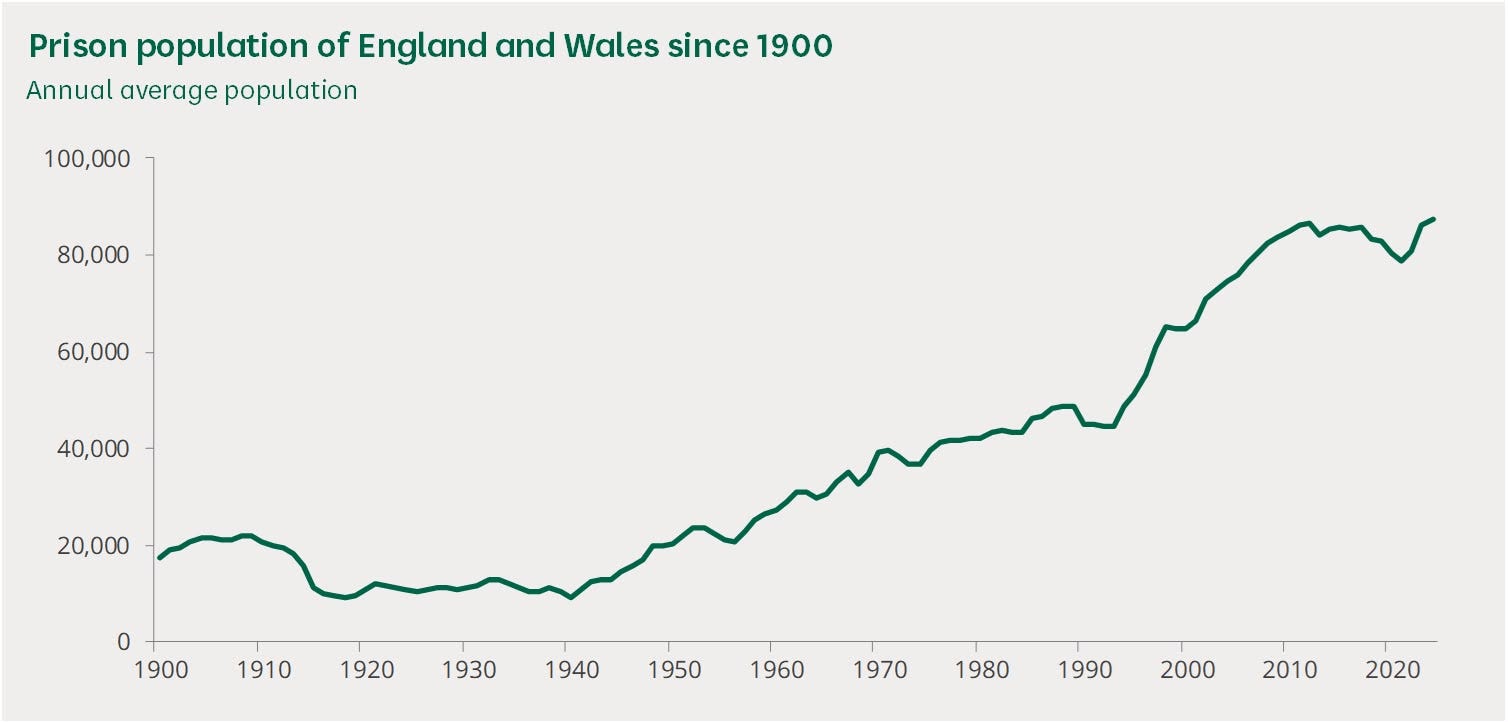
Source: MoJ, Offender Management Statistics Quarterly
The Ministry of Justice warned No 10 that the situation was unsustainable and that prisoners approaching the end of their sentences were going to need to be released, but, with an election imminent, the warnings were dismissed. Such was the scale of the crisis, it may have been decisive in Rishi Sunak’s decision to go to the polls earlier than he might have done in 2024.
This left a horrendous inheritance for Keir Starmer’s incoming government. Even with new prisons planned, there was still a projected shortfall of 9,800 places by early 2028. Labour had no choice but to implement the emergency release scheme that had been devised by its predecessors. Not that this spared the new government from criticism at the sight of released offenders toasting themselves with champagne as they left the prison gates.
Emergency release schemes are far from ideal, for offenders or their victims. Providing support for those leaving prison in terms of housing, employment and medical care – which we do not necessarily do well at the best of times – becomes much harder with only a few weeks’ notice. It also makes it harder to notify victims of what is happening.
This was the context in which the Independent Sentencing Review – which I chaired – was established by Shabana Mahmood. Our task was to ensure that we had a sustainable approach in the longer term, but also that the numbers added up in the medium term while new prison capacity was created. These recommendations formed the basis of the Sentencing Act.
There are aspects of the Act that have, so far, proven to be less controversial. There is a move away from short sentences, an expansion of the use of suspended sentences, and changes in the ways in which released offenders are recalled to prison. But by far the most important measure in ensuring that the numbers add up is the move to an “earned progression model”. This gets a little complicated, but in essence we recommended that offenders serving a standard determinate sentence are released a third of the way through their sentence or, if their release point was previously two-thirds, at the halfway point. The latter category covers more serious offenders, although not those serving a life sentence or those identified by the courts as being dangerous, who receive an extended determinate sentence.
How capacity could be breached
There is a principled case to be made that the new regime should be prospective and only apply to new convictions so that victims and their families did not see offenders being released earlier than expected at the time of sentencing. This was not, however, the approach taken in 2020 and 2022 when release dates were extended and, more importantly, would have failed to address the short-term prison capacity crisis.
This is a problem that cannot be dismissed. There is currently some spare capacity in prisons, but without the earned progression model, all of this will be lost by November – creating a new crisis. And, by the way, we should not want to run our system so that we are at capacity, given that some of the spare places will be the wrong type (in open prisons, for example) or in the wrong places. It also means that we lack resilience if there is a spike in criminality (as happened with the riots in the summer of 2024) or if there is a need to close a wing because of disorder.
On that subject, many prisoners will have already been told of their release date only to now be informed that this may be postponed. I understand that the prison authorities are very nervous about what this might mean for maintaining order in prisons over the next few weeks, especially with the hot weather forecast to continue – always a dangerous combination.
Presumably, Burnham’s review will come up with a means to ensure that some high-profile offenders stay behind bars, but he should not kid himself into believing that this will satisfy every victim or much of the media. For all the calls to exclude every violent or sexual offender from earlier release, the nature of our prison population is such that we cannot achieve this without a capacity crisis.
If Burnham prioritises trying to avoid difficult headlines by partially backing away from the earned progression model, he will either precipitate a crisis within months, or leave much of the public disappointed as high-profile releases continue. The responsible course of action would be to face up to the realities and persuade the country that it has to do so as well.
There is a broader point to be made about criminal justice. The temptation to focus on short-term politics over good policy is immense. This results in our prison population continuing to grow rapidly, becoming increasingly out of line with comparable countries, and our prisons struggling to cope. Scarce resources are diverted to building prison places, usually at the expense of other parts of the system – like probation – that can do more to reduce re-offending. The opportunities provided by greater use of technology – such as electronic tagging – are ignored because the only response to criminality that counts is imprisonment. The system lurches from crisis to crisis.
This is what we have done for decades. When Andy Burnham says we must change the way we do things, this is one area where it would be entirely justified. A more strategic, evidence-based and long-term approach is badly needed.

This is yet another legacy of underinvestment after 14 years of Conservative rule. It is shocking, but it is Labour's problem now. We have here a mature, practical analysis by a Conservative, David Gauke. Once again, I feel this badly needs cross-party consensus to navigate a way forward.