


Today on Arguably, Martha explains an overlooked part of Andy Burnham’s appeal. This piece is paid but you can read it now by becoming a full subscriber or by signing up for a seven-day free trial.
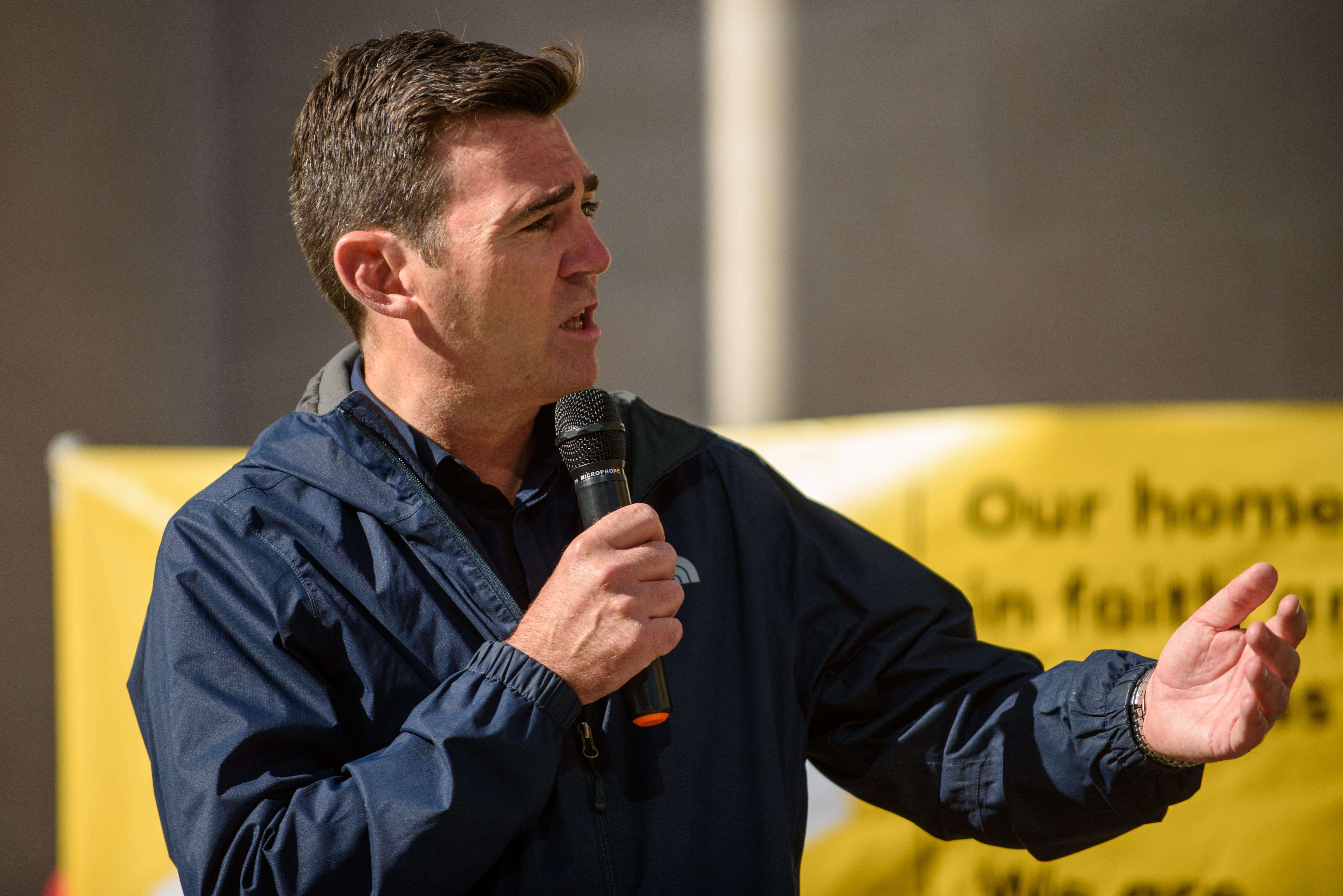
(R Heilig/Shutterstock)
The Makerfield by-election is a dramatic piece of political theatre – and that is a good thing. Andy Burnham’s cabinet critics have branded it a distraction, intoning that Labour must focus on “delivery”. But it is partly Keir Starmer’s disdain for politics – and his reverence for managerialism – that explains why this government is failing.
Central to any moment of political theatre is an element of risk that makes it compelling. Burnham has been Labour’s shadow leader since the start of this decade. He could have continued in that role – with a fourth mayoral victory all but guaranteed – or waited until a safe north-west seat fell vacant. But by choosing to stand in Makerfield, where Reform triumphed with 50.4 per cent of the vote in the local elections (to Labour’s 22.7 per cent), Burnham has heightened the stakes. If he wins, his status as the country’s most popular politician will be confirmed; if he loses, critics will cry that his appeal was always overstated.